How Important Is a Dog’s Dental Health?
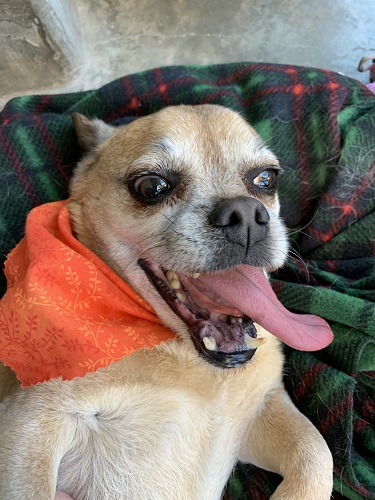 Dental health isn’t only important for people, it’s important for dogs too. As a responsible pet parent, it is important to familiarize yourself with what your dog’s teeth and mouth look like. This way, you will be able to identify changes that may pose and health risk to your dog and therefore need to be treated. Some things that you will want to keep an eye out for are: bleeding gums, loose teeth, difficulty eating, only chewing on one side of the mouth, bad breath, or becoming headshy.
A dog’s quality of life can be improved with good dental health, so here is some information about keeping your dog’s mouth healthy.
What Does a Dental Exam Entail?
It is recommended that dogs undergo a thorough dental exam once a year. An annual dental exam is usually performed while the dog is under anesthesia. The vet will inspect, clean and remove tartar and plaque, and polish the teeth. The vet will look for any issues that concern them, such as bleeding gums or periodontal pockets. During the exam, you can discuss the best ways so keep your dogs teeth and mouth health, as dental needs are unique to each dog depending on the state of their mouth.
What Is Periodontal Disease?
This is a common health issue that happens in two stages: 1) inflammation of the gums and 2) periodontitis, which is inflammation in areas surrounding teeth. Severe Periodontal Disease can result in bone and tooth loss if not addressed. If this condition does not get treated, there is a possibility your dog can suffer from a range of health issues, including damage to the heart, liver, and/or kidneys.
More info here: Preventing Periodontal Disease in Dogs
How Many Teeth Does a Dog Have?
Like humans, dogs are born without teeth. Their teeth start coming in between five to eight weeks until they have their all of their 28 baby teeth. At eight weeks, their milk teeth come out and between 12 to 16 weeks they start losing their baby teeth and their adult teeth come in. At around four to six months, puppy teeth will come out and be replaced with 42 permanent adult teeth. If you notice that your dog has retained one or more of their baby teeth at this point, you should speak to your vet so that it can be determined if removal is required.
Brushing a Dog’s Teeth
Brushing your dog’s teeth is a good habit to get into. You can buy specialty toothpaste that is made specifically for dogs (no, they can’t use human toothpaste, it’s not safe for them). Putting a little bit of dog toothpaste on your finger and letting them lick it is a good way to ease your dog into it. Then you can incorporate a finger brush or toothbrush and really get to brushing. Talk to your vet to find out their thoughts and tips on brushing your dog’s teeth and other suggestions that they may have on good dental hygiene for your furry friend.
In addition to brushing, you can give your dog safe chew toys to play with everyday.
What Makes a Good Chew Toy?
There are many toys on the market that can help improve your dog’s dental hygiene. When used, these toys work to remove plaque from the teeth, freshen breath, get rid of tartar, and massage the gums. Toys that are bendable and rubbery, not too hard, and large enough that they won’t be swallowed are a good choice. Some of these toys are built with treat compartments for extra fun.
Many vets do not recommend bones or rawhide treats because of the risk that they pose to break teeth or cause gastrointestinal issues if eaten or swallowed. It is important that you read all instructions and use toys accordingly. When choosing a chew toy, make sure that you get one that is comfortable and appropriate for the size and weight of your dog, are durable, and built for the level of chewing your dog does. For instance, KONG has a line of chew toys with the following chewing levels: puppy, light, average, and power (for the strongest chewers).
Why Do Teeth Get Worn Down?
There are lots of reasons for why a dog’s teeth can become worn down. Teeth that rub on each other because of a dog’s bite, chewing on skin or fur, and chewing on toys are some common causes for teeth to wear down over time. If you notice that your dog’s teeth suddenly look different, including teeth which are loose or cracked, you should contact your vet right away.
 Rescue All Dogs