Hint: It Isn’t Quite the Same as Walking Your Own Dog…
I’d been really looking forward to the small dog walking class (30 pounds and under) at the shelter where I volunteer, since it was the one thing that was standing between me and what I love best…dogs!
More of a Cat Lady Than I Thought
Up until now, I have been working with cats and although I’ve always considered myself to be a “dog person”, every time I go to the shelter I feel like a proud cat mom. I hadn’t expected that, and I am happy to have a greater appreciation for how unique cats are. I’ve enjoyed feeding them, cleaning their kennels, making toys for them, snuggling them, and introducing them to potential adopters. (When it’s quiet in the shelter and I’m the only volunteer with the cats, I like to play music for us to listen to. So far, none of the cats have seemed to mind.) I was even lucky enough to help three cats (including a bonded pair) get adopted in one day, which was exciting!
Here Goes Nothing!
When the day finally came for the class I was feeling pretty confident since I had years of experience walking my small senior dog Roscoe (he passed away over a year ago). I figured that I had this under control, and boy was I wrong!
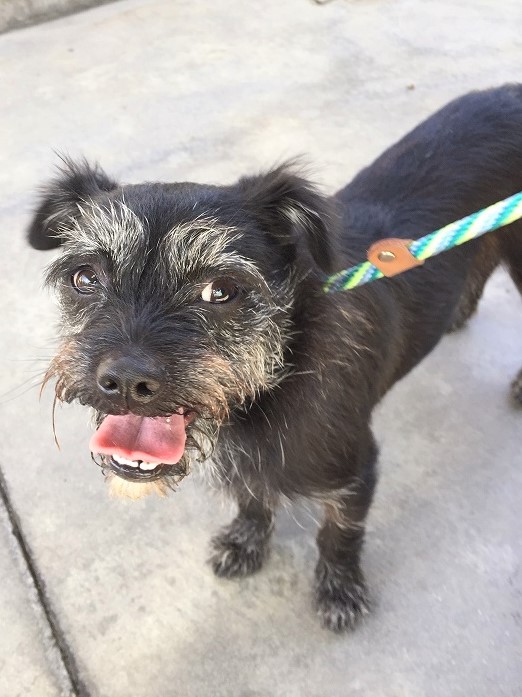
There is a big difference between walking a dog that you have a relationship with and a dog in a shelter that you have never met before. Needless to say, I was unprepared for what happened next. During the training, I had to unlock the gate and slip into a kennel that contained four small dogs, without letting any of them escape. I certainly felt awkward physically, and it was a challenge. Next up was getting the slip lead onto one dog (Tinkerbelle, an adorable three-year-old female black Brussels griffin) while the other dogs were trying to get my attention by barking and jumping on me.
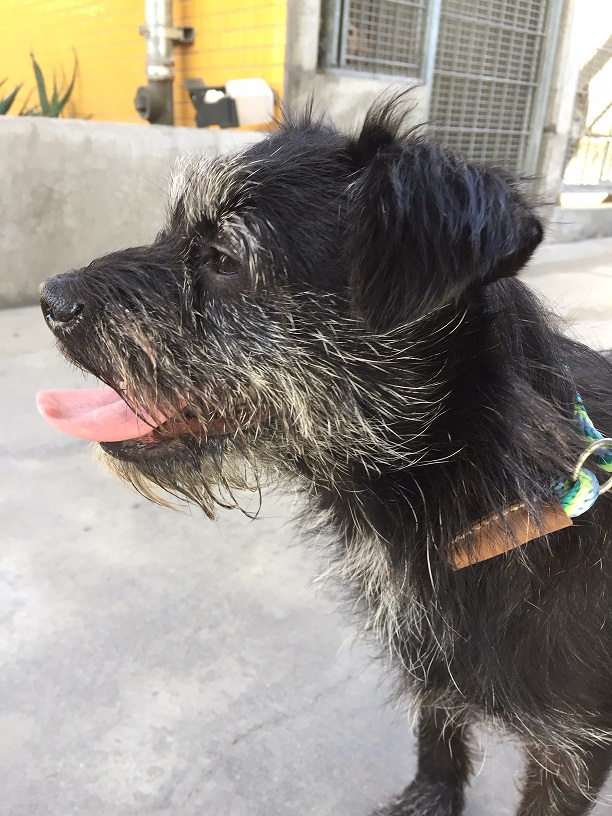
I’m sure that this was overwhelming for the dogs too. They don’t have the opportunity to go on walks very often, so it’s a big deal. After getting the leash set up on Tinkerbelle, we walked by lots of big dogs who got very riled up by the site of her. We got to a secluded yard where we were able to have some quiet time. Tinkerbelle got some pets, wandered around, and did lots of sniffing, and after a while it was time to bring her back to her kennel and kennel-mates.
Heading Back to the Kennel
It was again time for me to slip into the kennel, but this time with a dog who wasn’t too keen on going back in. Ultimately, it was easier to pick up Tinkerbelle and walk in while holding her, especially since the other dogs wanted out, and she wasn’t going to walk in willingly. After leaving the kennel I was feeling pretty overwhelmed, but was able to reflect on the process and remind myself that this is an experience for me to learn and grow. Also, after speaking with long-term volunteers, I was reminded that it gets easier and not to be afraid to ask for help. I’m looking forward to spending more time with the dogs and becoming more confident in my abilities as I continue with my volunteering.
More than Just a Walk
Taking shelter dogs on walks benefits them in many ways, such as providing them with exercise, socialization, on-on-one time with a human, basic obedience training, and a brief time away from their kennel and kennel-mates. Ultimately, these walks may improve their lives by helping make them more “adoptable”.
Walking a dog in a shelter is a lot more powerful than I thought it would be. Who knew that doing something as simple as taking a dog on a walk could be so impactful?
 Rescue All Dogs